When Clean Isn’t Clean Enough
Walk into any well-maintained workplace washroom and you’ll probably notice spotless floors, polished mirrors, fresh fragrances, and neatly stocked soap dispensers. At first glance, everything appears exactly as it should.
But appearances can be deceptive.
A washroom may look impeccably clean while still harbouring invisible microorganisms on the surfaces people touch every day. In today’s workplaces, hygiene is no longer measured solely by what employees can see—it is measured by how effectively organizations minimize the spread of germs and create safer shared environments.
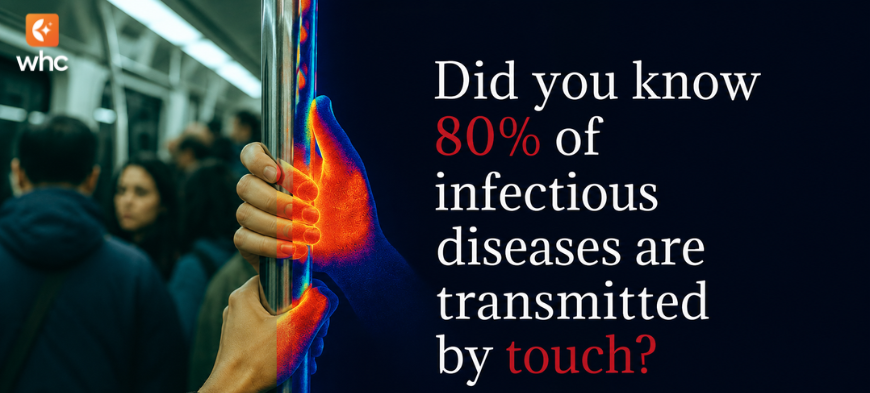
According to the Centers for Disease Control and Prevention (CDC), a significant proportion of infectious diseases are transmitted through touch. Every interaction with a contaminated surface—a tap handle, a flush lever, a door handle, or a soap dispenser—creates another opportunity for germs to spread.
In a busy commercial workplace, these contact points are used hundreds, sometimes thousands, of times every day. Yet many organizations continue to rely on conventional cleaning practices that prioritize visible cleanliness over hygiene risk management.
The result is a washroom that looks clean but may still be contributing to the spread of illness.
Looking Clean and Being Hygienic Are Not the Same Thing
Facility managers understandably focus on maintaining washrooms that create a positive first impression. Clean floors, functional fixtures, pleasant odours, and stocked consumables are all visible indicators of good maintenance.
However, these indicators tell only part of the story.
True hygiene is not defined by appearance—it is defined by the reduction of contamination and the interruption of disease transmission.
A surface can appear perfectly clean while carrying microorganisms invisible to the naked eye. Tap handles touched immediately after toilet use, soap dispenser pumps pressed by unwashed hands, and door handles used repeatedly throughout the day become silent transfer points between one user and the next.
Unlike visible dirt, microbial contamination doesn’t announce itself. Employees cannot see it, yet they interact with it constantly.
For organizations committed to employee wellbeing, this distinction is critical. Maintaining a visually clean washroom is important, but ensuring it is genuinely hygienic requires a more comprehensive approach.
Smarter Hygiene Starts with Touch-Free Solutions
Traditional cleaning remains essential, but it has its limitations. Even the most thoroughly disinfected washroom can be recontaminated within minutes in a busy workplace where hundreds of people use the same facilities every day.
Modern workplace hygiene therefore goes beyond increasing cleaning frequency—it focuses on reducing opportunities for contamination in the first place.
Touch-free technologies play a crucial role in achieving this objective. Automatic soap dispensers, infrared sanitizer units, and sensor-operated hygiene systems minimise unnecessary contact with shared surfaces, helping reduce the potential for cross-contamination.
Instead of relying on the hygiene practices of the previous user, touch-free solutions provide a cleaner and more consistent experience for everyone.
WHC’s Hand Hygiene Solutions are designed around this principle, enabling organizations to create safer washroom environments while improving user confidence and supporting better hygiene practices across the workplace.
Surface Hygiene Is Just as Important
While touch-free dispensing significantly reduces contact-based transmission, it represents only one part of an effective hygiene strategy.
High-contact surfaces such as toilet seats, wash basins, countertops, partitions, floors, and other frequently used areas continue to require professional hygiene management.
Routine cleaning alone may not provide the consistency needed in busy commercial environments where surfaces are continuously exposed throughout the day.
At WHC, our Washroom Hygiene Services are designed to maintain a higher standard of surface hygiene through carefully selected products, structured servicing schedules, and preventive maintenance programmes. Rather than reacting to hygiene issues after they occur, our approach focuses on reducing contamination risks before they impact employees and visitors.
Effective workplace hygiene is not simply about maintaining appearances—it’s about breaking the chain of transmission before it begins.
Creating Healthier Workplaces Through Better Hygiene
Shared spaces have a direct influence on employee wellbeing, and the washroom remains one of the most frequently used—and highest-risk—areas within any workplace.
Recurring employee illness, hygiene-related complaints, and reduced confidence in workplace facilities often have their roots in environments where invisible hygiene risks are overlooked.
Forward-thinking organizations no longer view washroom hygiene as a routine maintenance activity—they recognize it as an investment in employee wellbeing, workplace safety, and operational excellence.
At WHC, we begin by identifying the unique hygiene challenges within each facility rather than applying generic cleaning programmes. This enables targeted interventions that reduce contamination risks where they matter most, helping organizations create healthier, safer, and more confident workplaces.
A washroom that merely looks clean may satisfy a visual expectation. A washroom designed to actively minimise hygiene risks reflects an organization’s commitment to the health, safety, and wellbeing of everyone who uses it.
About WHC
At Washroom Hygiene Concepts (WHC), we help organizations create cleaner, healthier, and safer workplace environments through integrated hygiene solutions. From touch-free
hand hygiene systems and professional surface hygiene services to odour control, feminine hygiene management, and workplace hygiene programmes, we partner with businesses across corporate offices, healthcare, manufacturing, education, hospitality, retail, and commercial facilities to elevate hygiene standards and improve everyday experiences.
Looking to move beyond surface-level cleanliness? Connect with WHC to discover workplace hygiene solutions that create healthier workplaces and lasting confidence.